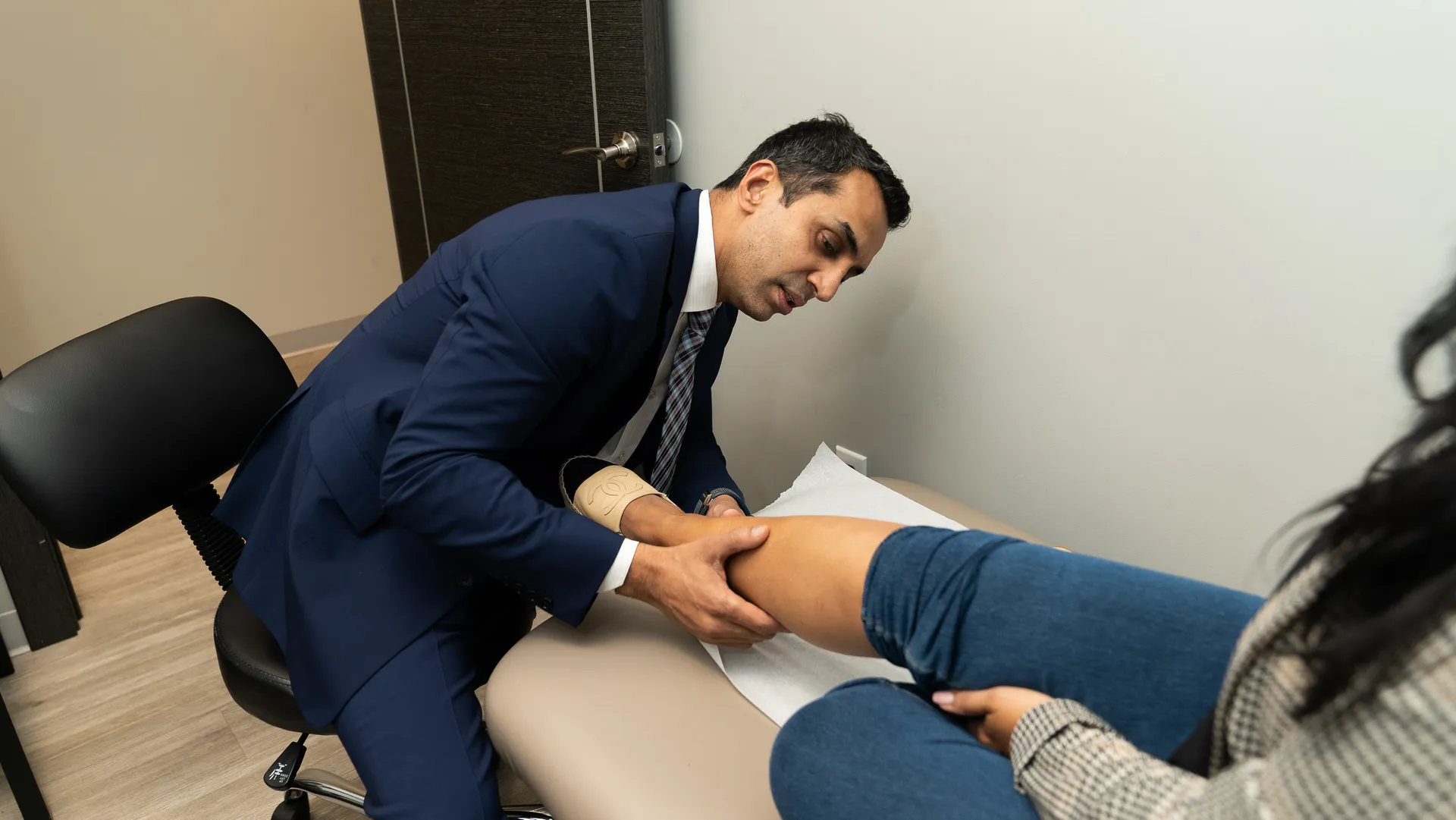
Summer Road Trip Prep: Preventing Vein Problems on Long Drives from Clifton to the Shore
Published 2026-05-25
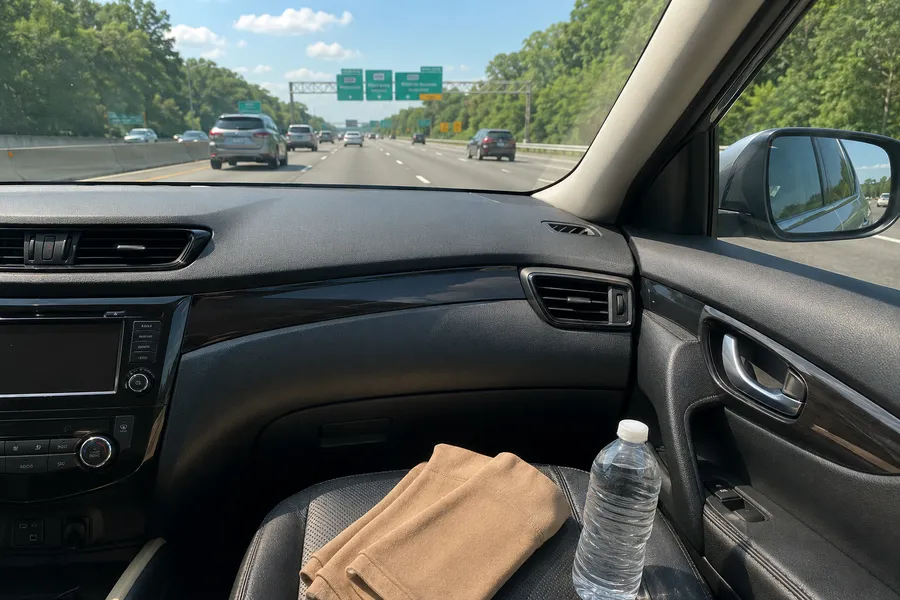
Picture this. It's 7:15 AM on a Saturday in late June. The Garden State Parkway south of Exit 145 is already backed up to Saddle Brook. Your kids are in the back seat, the cooler is in the trunk, and the GPS says Point Pleasant in two hours and forty minutes — if traffic loosens past Asbury Park. By the time you pull into the beach lot, you've been sitting for nearly three hours. You stand up, take two steps, and feel that familiar tightness pulling at your calves.
That tightness has a name. Vascular surgeons call it venous stasis, and it explains why your legs feel heavier stepping out of the car than they did at any point during the workweek.
What Is Travel-Related Venous Stasis?
Travel-related venous stasis is a circulatory slowdown that occurs when prolonged immobility impairs the calf muscle pump, the mechanism that propels venous blood upward against gravity. Extended sitting allows blood to pool in the lower extremities, increasing pressure within the superficial and deep veins. This stagnation contributes to leg swelling, discomfort, and an elevated deep vein thrombosis risk on trips longer than four hours.
Sound familiar? You're not imagining the heaviness — your veins are mathematically working against you the longer you stay seated. And the longer that pool sits, the harder your venous system has to work to recover.
Why Long Drives from Clifton, NJ Increase Your DVT Risk
Clifton sits about 75 miles from Belmar, 90 miles from Point Pleasant, and well over 100 from Long Beach Island. On paper, those are manageable distances. In reality, summer Parkway congestion turns a 90-minute drive into three or four hours behind the wheel. Stop-and-go traffic past the Driscoll Bridge, weekend backups at Exit 98, and bumper-to-bumper crawls south of Toms River keep your feet planted on the pedals and your legs locked in flexion.
Vein Center Doctor sees the consequences during the second week of summer every year. Patients return from Shore trips with new spider veins, freshly bulging varicose veins, or — in the more concerning cases — superficial thrombophlebitis that wasn't there in May. The cause is rarely the beach. It's the drive.
Three vascular changes happen during extended seated travel. First, hip flexion at 90 degrees compresses the femoral vein, narrowing the channel through which blood returns to the heart. Compressed femoral flow forces blood to back up into the saphenous system. Backed-up saphenous pressure dilates the superficial veins. Dilated superficial veins lose valve coaptation. Lost coaptation creates the venous reflux that turns a long drive into a clinical event.
Second, your calf muscles — your second heart, in vascular terms — stop pumping. Third, dehydration from coffee, salty snacks, and skipped water breaks thickens your blood plasma. That combination is exactly what triggers a clot in patients with underlying chronic venous insufficiency.
The Vascular Surgeon's Approach to Pre-Trip Vein Preparation
Pre-travel vein optimization isn't a vague wellness suggestion. It's a structured medical protocol with measurable interventions. The vascular surgeon at our Clifton-area practice evaluates each patient's venous reflux pattern, weighs DVT risk factors, and prescribes a travel preparation plan tailored to the trip ahead.
Medical Compression Therapy: Pharmacy Hose vs. Prescription Stockings
Drug-store knee-highs labeled "support hose" deliver 8-15 mmHg of compression. Medical-grade graduated compression stockings — the kind prescribed for travel and vein management — deliver 20-30 mmHg or higher, with the strongest compression at the ankle that decreases gradually up the calf. That gradient is what actually moves blood upward against gravity. Generic support hose feels tight; medical compression therapy works.
For most Clifton patients preparing for a Shore trip, the vascular surgeon recommends putting on 20-30 mmHg graduated stockings before getting in the car, leaving them on through the drive, and removing them only after walking on the beach for fifteen minutes. The stocking compresses superficial veins, redirects blood into the deep venous system, and keeps the calf muscle pump efficient even when your feet aren't moving.
In-Car Movement Protocols
Even with compression, the calf pump needs activation. The vascular surgeon recommends the following sequence during any drive over two hours:
- Every 60 to 90 minutes, pull off at a rest stop, gas station, or the Cheesequake service area and walk for five full minutes.
- Perform 20 standing calf raises before returning to the car.
- Inside the vehicle, passengers should do 30 seated ankle pumps every 30 minutes.
- Avoid crossing your legs at the knees, which compresses the popliteal vein behind the knee.
The goal is to interrupt stasis before it becomes thrombosis.
Hydration and Caffeine Management
Coffee dehydrates you. Sodium-heavy snacks thicken blood plasma. The combination concentrates clotting factors and slows blood flow. For a four-hour trip, the vascular surgeon recommends 16 ounces of plain water per hour, with caffeine limited to a single cup at departure.
Read more: Can Chronic Venous Insufficiency Be Corrected By Using Compression Therapy?
When to See a Vein Doctor in Clifton, NJ Before Summer Travel
Some travelers can manage their veins with compression and movement alone. Others need a clinical evaluation first. Schedule a pre-trip vascular consultation if any of the following apply:
- Visible varicose veins that have grown, darkened, or become tender over the past year.
- Leg swelling that doesn't resolve overnight or after elevation.
- A personal or family history of blood clots, DVT, or pulmonary embolism.
- Pregnancy, recent surgery within the last six weeks, or hormonal contraception use.
- Chronic leg heaviness, throbbing, or burning that worsens by evening.
A duplex ultrasound at our Clifton office maps your venous reflux in under 30 minutes. The vascular surgeon then determines whether compression alone is enough or whether definitive treatment — radiofrequency ablation, VenaSeal closure, or ultrasound-guided sclerotherapy — should happen before your trip. Schedule at our Clifton office.